
H Dh. Innafushi
- Haa Dhaalu
About this area
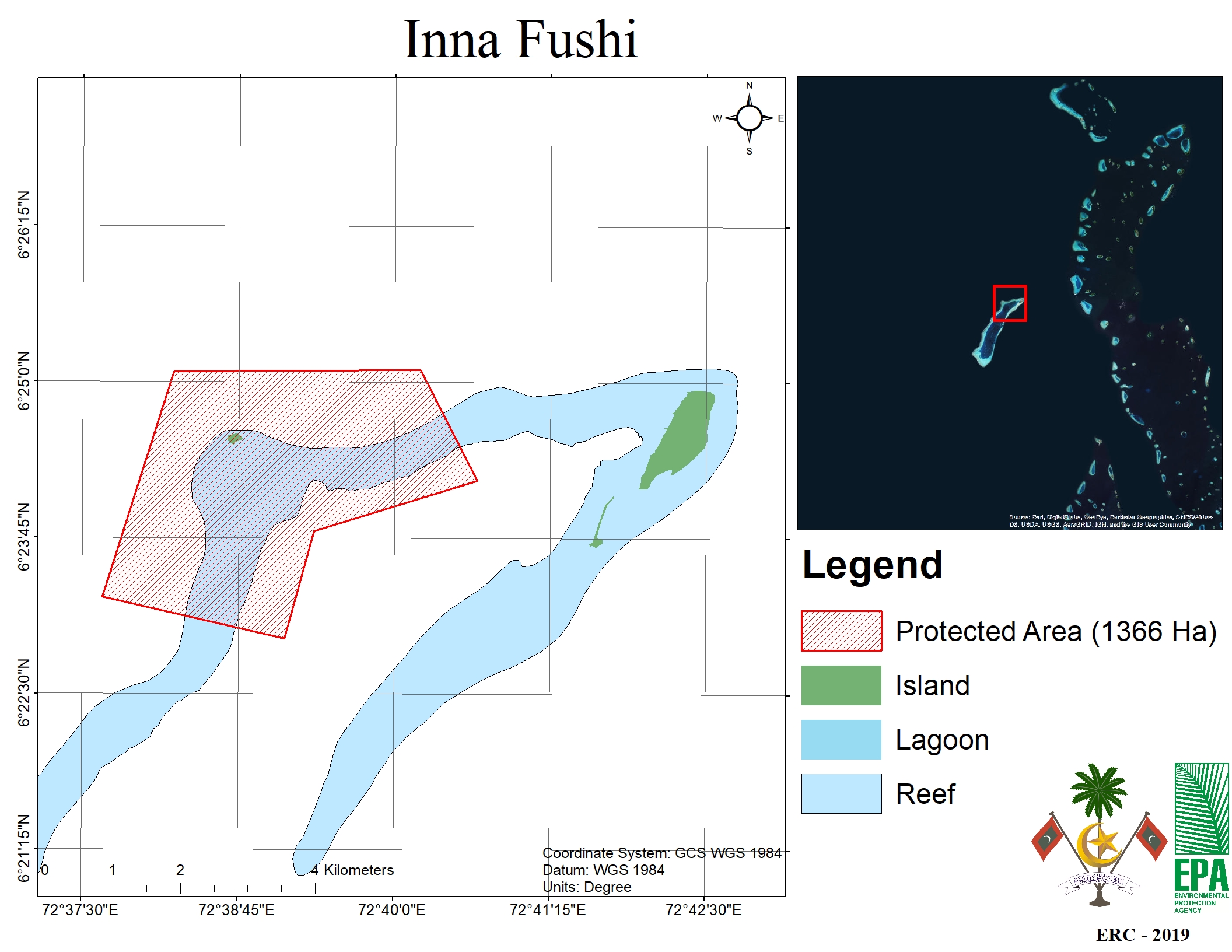
Loading map…
The map could not load. Check your connection and try again.
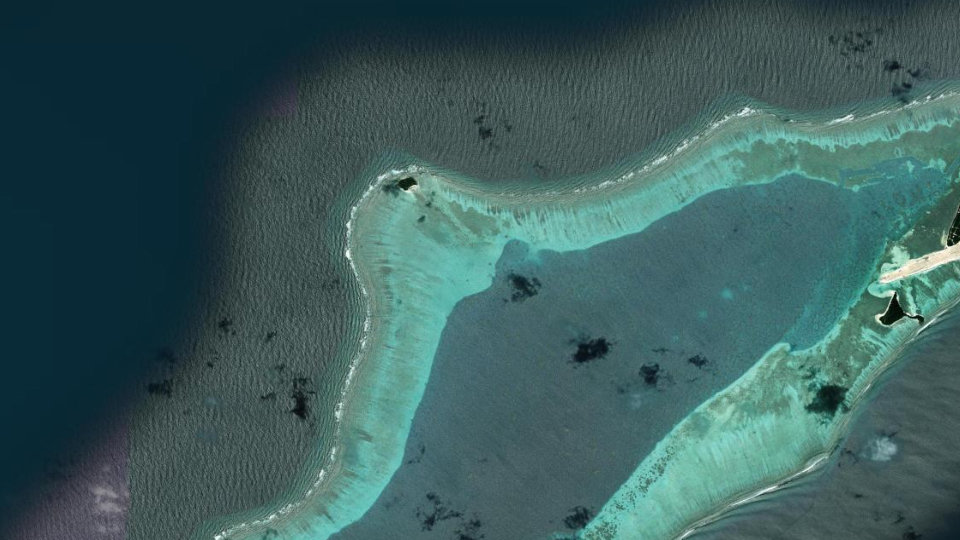
Innafushi is a small 3-hectare, rock-based island situated in Makunudhoo Atoll’s west edge. This island possesses naturally and environmentally rich characteristics. It is also inhabited by a diverse and abundant range of fauna. Flocks of seabirds frequent this island to nest and lay eggs. Innafushi also happens to be on the west most edge of the Maldives. A lot of ships have wrecked on the “futtaru” point in the past. This is why the people of Makunudhoo atoll refer to this point as ‘boatu urey muli’. When we observe the formation of this island, it can be seen that the majority of its ground area is covered with coral sand (akiri veli). And a pearly white sand beach can be seen on its east side.
Apart from exactly 3 Coconut palm trees, this island contains Lettuce trees (lhos gas), Indian tulip trees (hirundhu gas) and Pemphis (kuredhi gas). The west end of Makunudhoo has a pond connected to the sea. The inhabitants of Makunudhoo refer to this pond as ‘fureytha fengandu,’ translated as ‘monster pond’. The reef surrounding Innafushi is one lush and diverse with marine life. Divers find a special interest with this reef because of the many shipwrecks. Moreover, there is an abundance of different reef fish which can be easily caught in this area. It is also vast in size and accommodates colourful corals and fish species. A lot of fish are caught within the lagoon of the island, and whales and sharks can be observed outside of the island reef. What makes Innafushi substantial to conserve is ultimately its geophysical attributes and the fact that this island is situated on the western most edge of all Maldives.
How to visit. Booking is not available online for this area. Call the office for details.
Rules
Please follow these rules during your visit.
-
Dumping trash/littering is not allowed in this area.
-
Land reclamation and dredging is not allowed within this area.
-
Removing or taking rocks, sand, corals, and coral rubble is not allowed in this area.
-
Anchoring/ dropping anchor is not allowed in this area.
-
Aquaculture and mariculture
-
Taking eggs or damaging nests
-
Introducing any species of living things
-
Catching, taking or killing any species of bird
Permits
-
Apply on their portal: Research Permit (opens in a new tab)
Research Permit
Issued by Environmental Regulatory Authority (ERA)
To conduct research in a Protected Area. A research permit is required. The research permit is given by Environmental Regulatory Authority (ERA). Please use the provided link to submit a research permit application to ERA.
Facts
- Status
- Designated
- Total Area
- 1,366.00 ha
- WDPA ID
- 555697566
- Protected Area Category
- Category 7 - Protected Area with Sustainable Use
- Date of Protection
- 16 June 2019
- Habitat types
- Marine, Terrestrial
Gallery
Resources
Open in the Knowledge RepositoryIulaan
-
Boduthiladhunmathi 11 sites_en
Laws, Regulations and Policies PDF English No Dhivehi yet
-