H Dh. Keylakunu
HDh. Keylakunu
WDPA ID
555697563
Total Area
235.54 ha
Status
Contact Number
Keylakunu is an uninhabited island located in the south Thiladhunmathi atoll. This island is environmentally significant. The island is home to a variety of species, interconnected with people’s behaviour and livelihoods. Keylakunu is comparatively greener than other islands in the Maldives, and the eastern side of the island consists of mangroves and wetlands. A vast area of the island contains small leaved orange mangroves, bodavaki and kulhlhava.
In addition to this, there is a forest made up of Gray Mangrove 'barugas', which does not grow in abundance in any part of the world. The diameters of the trunks of barugas are measured at 7.8 ft, with the trees growing over 30 metres.
The most significant aspect of this island is the mangrove and wetland area, formed as a jungle, located on the east side of the island. Different sized trees of small leafed orange mangrove and red mangrove can be seen in abundance, whose roots have formed a network of small wetlands. The area is a carbon sink as well. Various species of birds regularly visit this island. 11 species of birds were observed just during the survey of this island. The rarely seen tropical white-tailed bird (“dhandufulhu dhooni”) in the Maldives can be seen quite often in this island. This bird requires a special environment to populate in. It is also important to note that a significant amount of turtles nest on its beach. Keylakunu is considerably different from the typical Maldivian island. This is because of the way trees and plants grow in this island, and it belongs to the forest category, which not a lot of area in the Maldives qualify for. Apart from this, what makes this island distinct and worth conserving is its mangroves and wetland area, as well as its reef area and the diversity in bird species.
Zones
Keylakunu PA - Core Area
The core area of the Hdh. Keylakunu Protected Area includes a unique mangrove/wetland area. Kan'doo (Small-leafed Orange Mangrove), Ran'doo (Red Mangrove) and Barugas (Grey Mangrove) are found in this area. The area acts as a carbon sink and also provides habitat for various species of birds.
Keylakunu PA - Core Area
The core area of the Hdh. Keylakunu Protected Area includes a unique mangrove/wetland area. Kan'doo (Small-leafed Orange Mangrove), Ran'doo (Red Mangrove) and Barugas (Grey Mangrove) are found in this area. The area acts as a carbon sink and also provides habitat for various species of birds.
Keylakunu PA - Buffer Zone
The buffer zone of HDh. Keylakunu Protected Area is home to a variety of species, interconnected with people’s behaviour and livelihoods.
Keylakunu PA - Buffer Zone
The buffer zone of HDh. Keylakunu Protected Area is home to a variety of species, interconnected with people’s behaviour and livelihoods.
Bookings Available Here
.png)
Visit
<p>This service can be booked for visiting designated areas within the protected area.</p> <p> </p>
Attributes
- Protected Area Category
-
- Category 6 – Habitat/Species Management Area
- Category 7 - Protected Area with Sustainable Use
- Date of Protection:
- 30 December 2018
- Ecosystem Typology
-
- Marine
- Terrestrial
- Mangrove
Bookings
Activities
No activities.
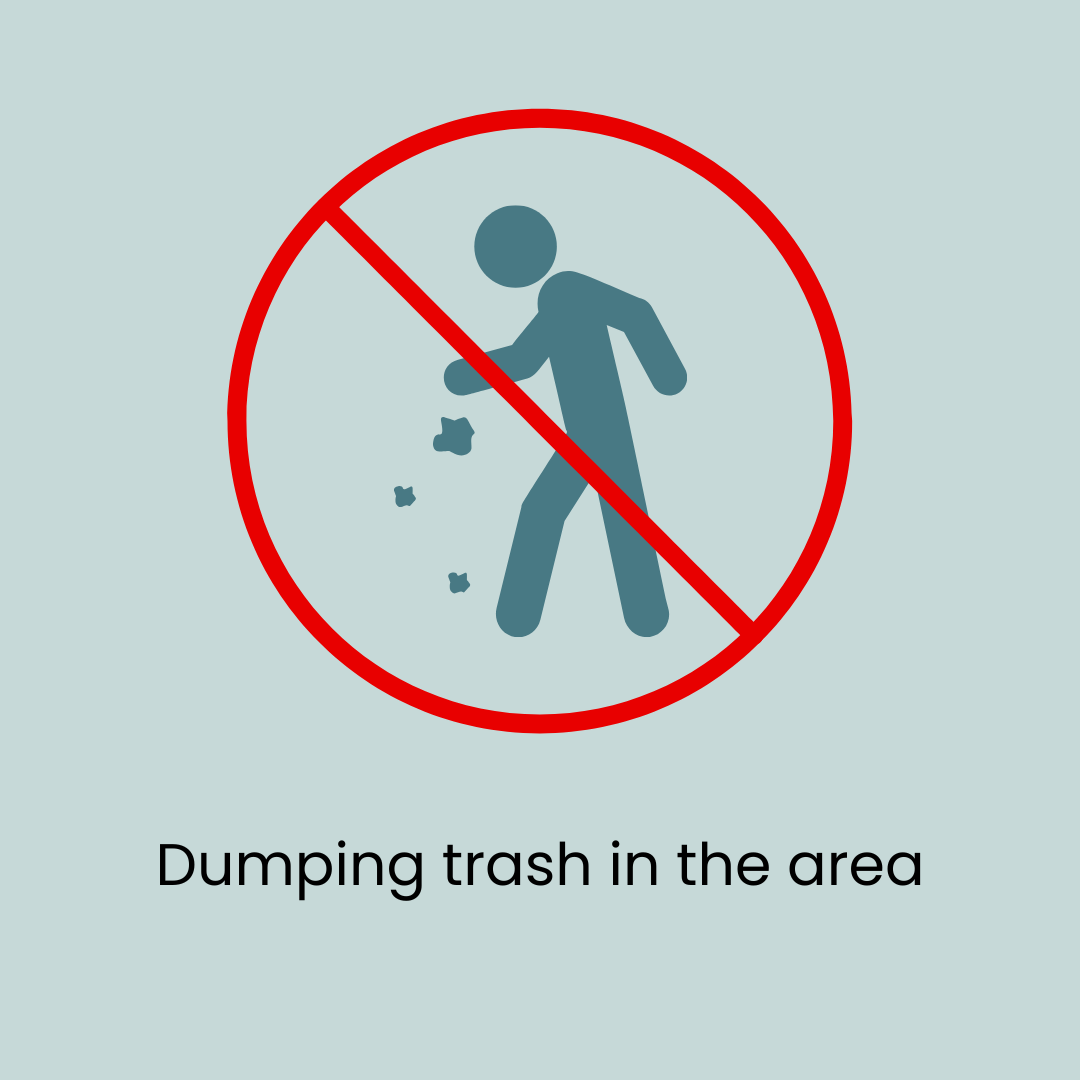
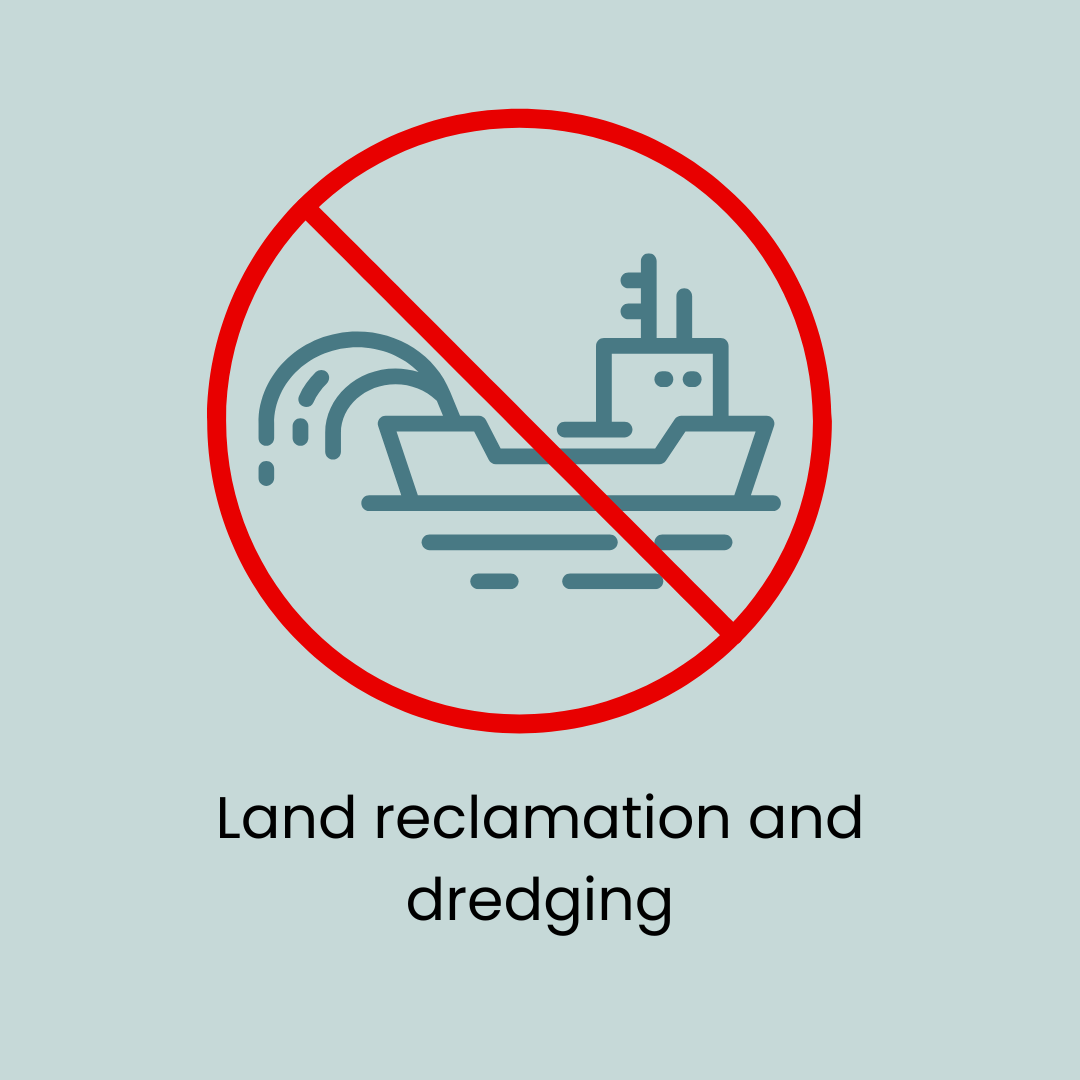
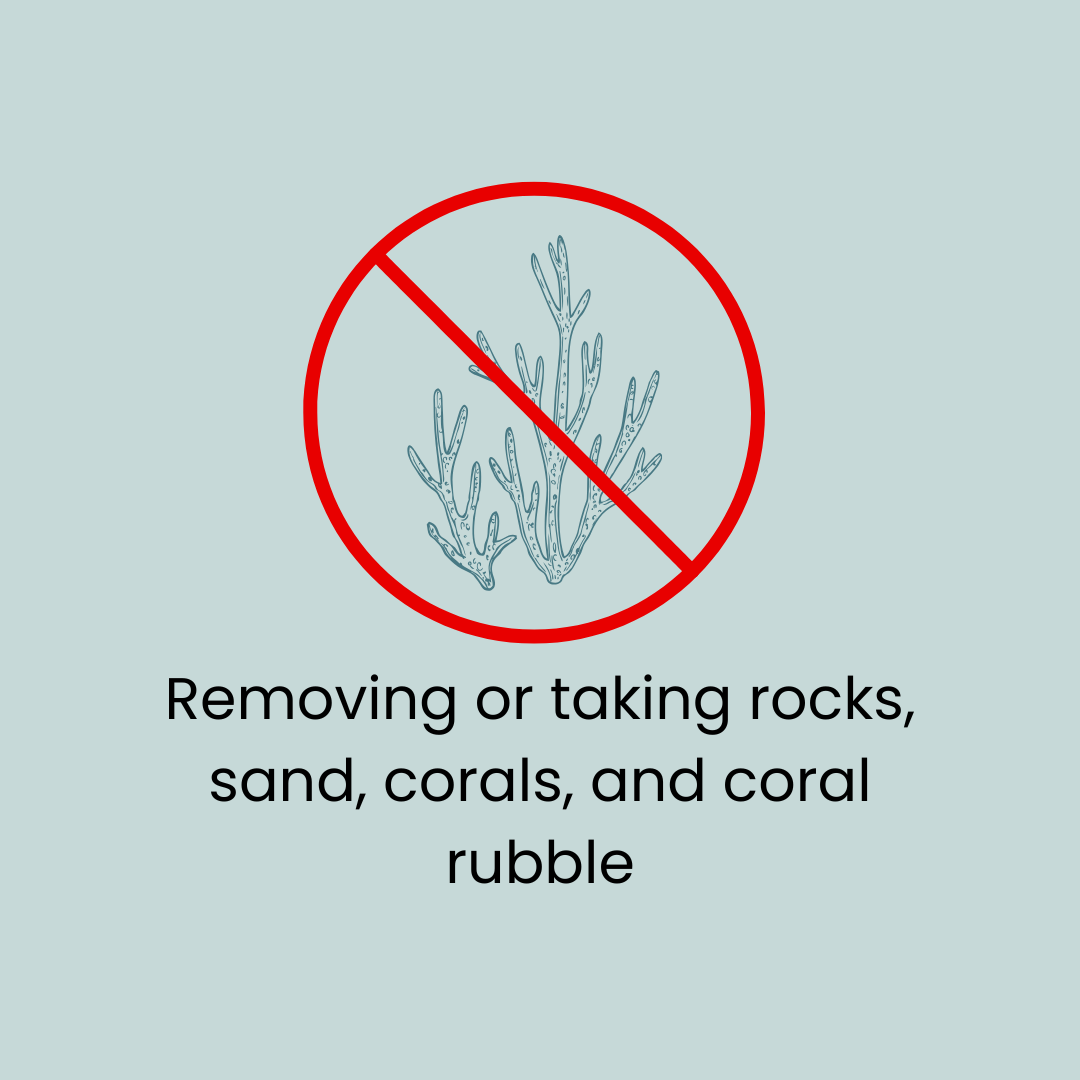
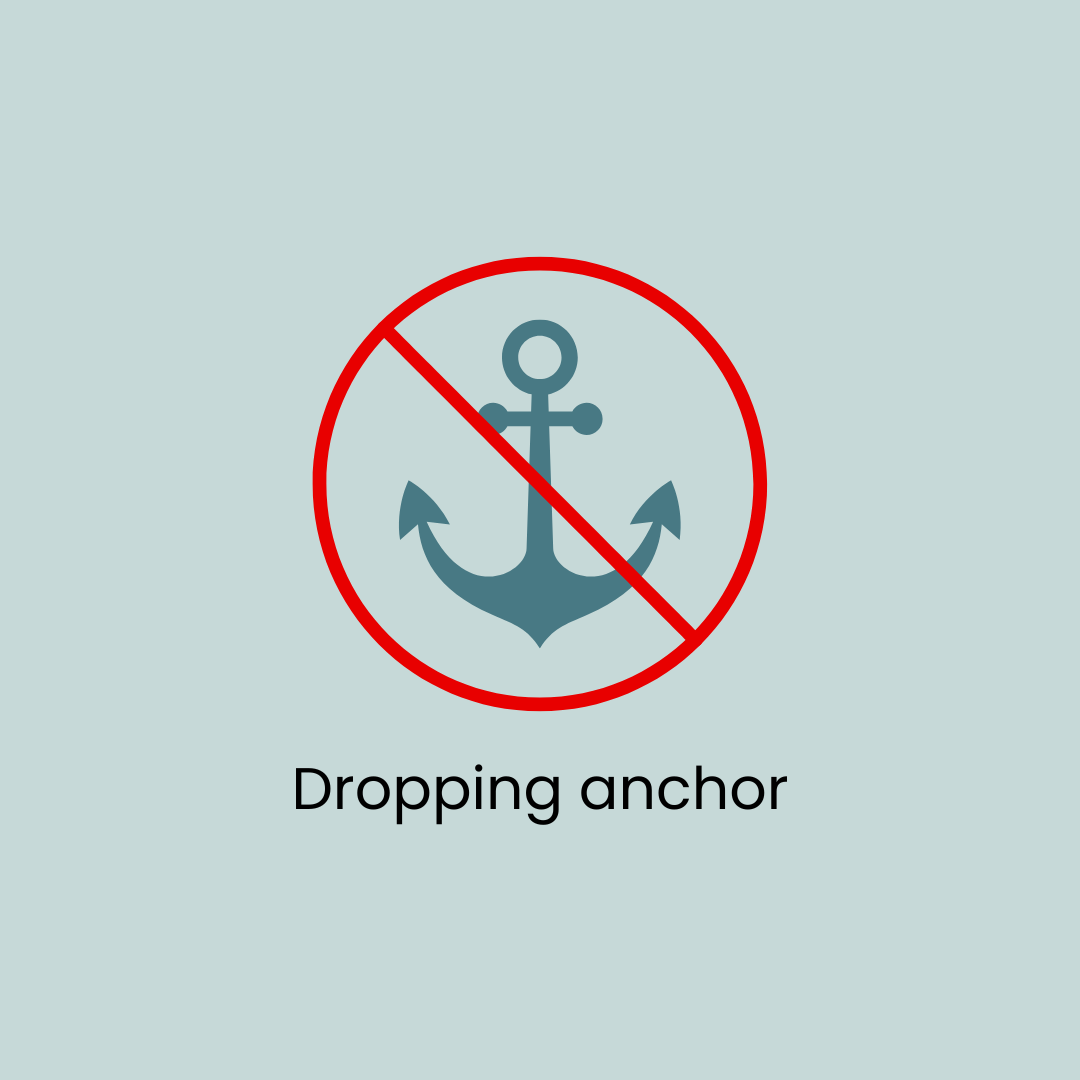
Do's and Dont's