
N. Kendhikulhudhoo Wetland
- Noonu
About this area
Loading map…
The map could not load. Check your connection and try again.
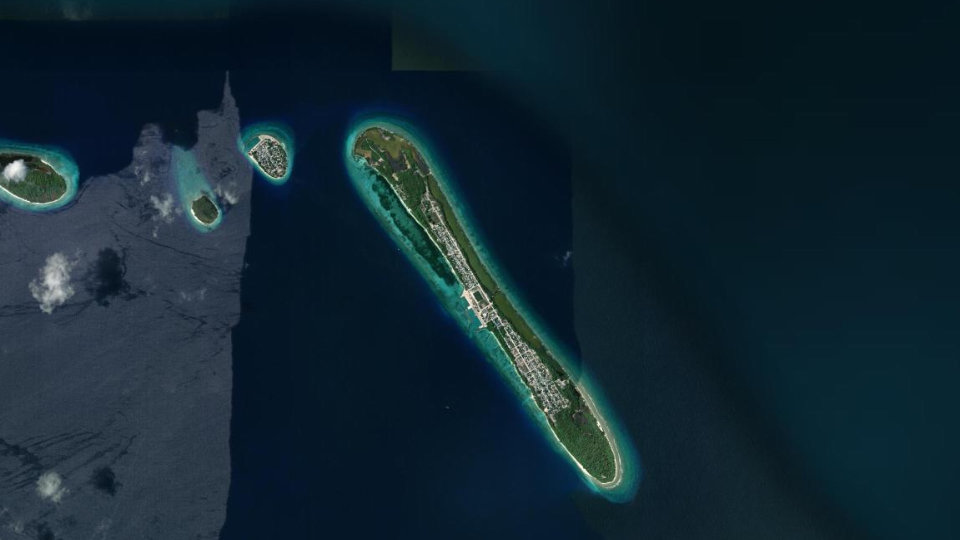
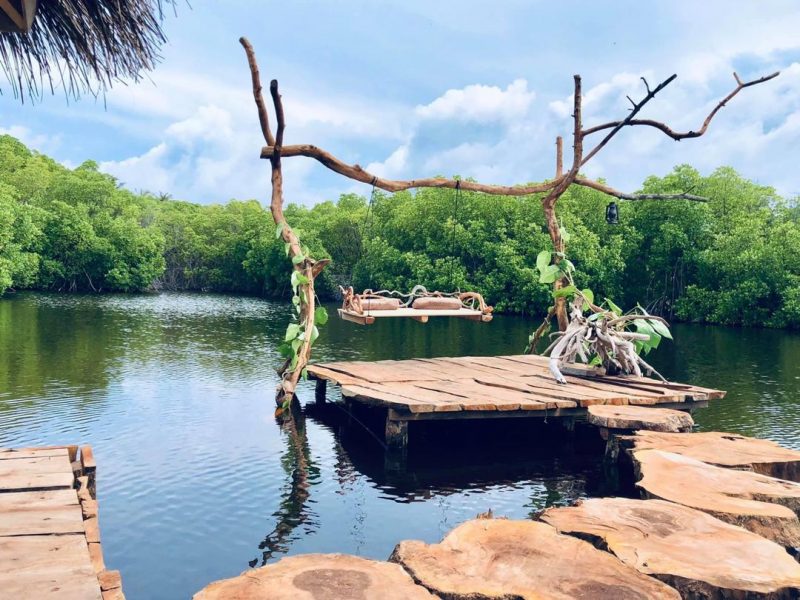
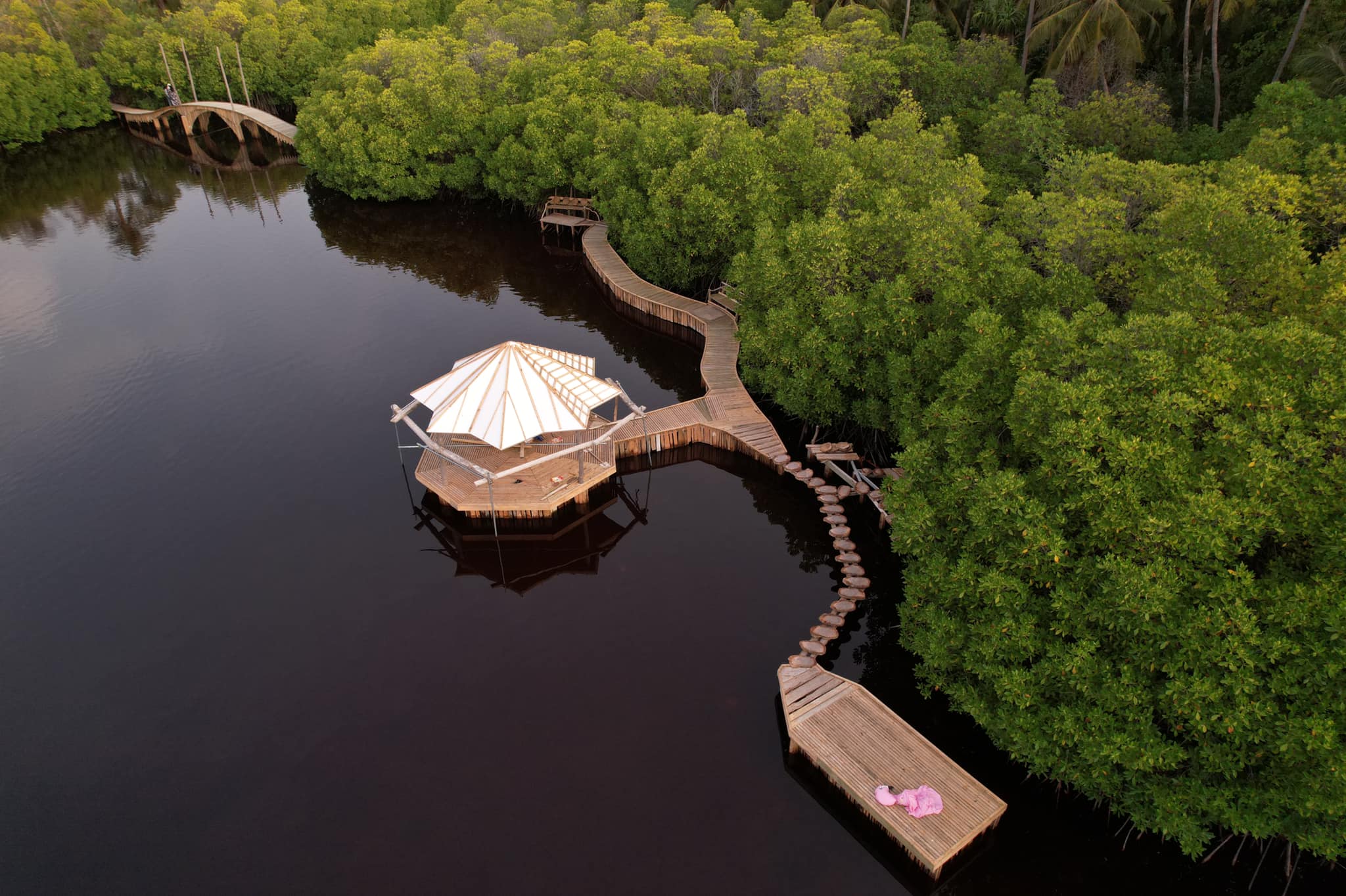
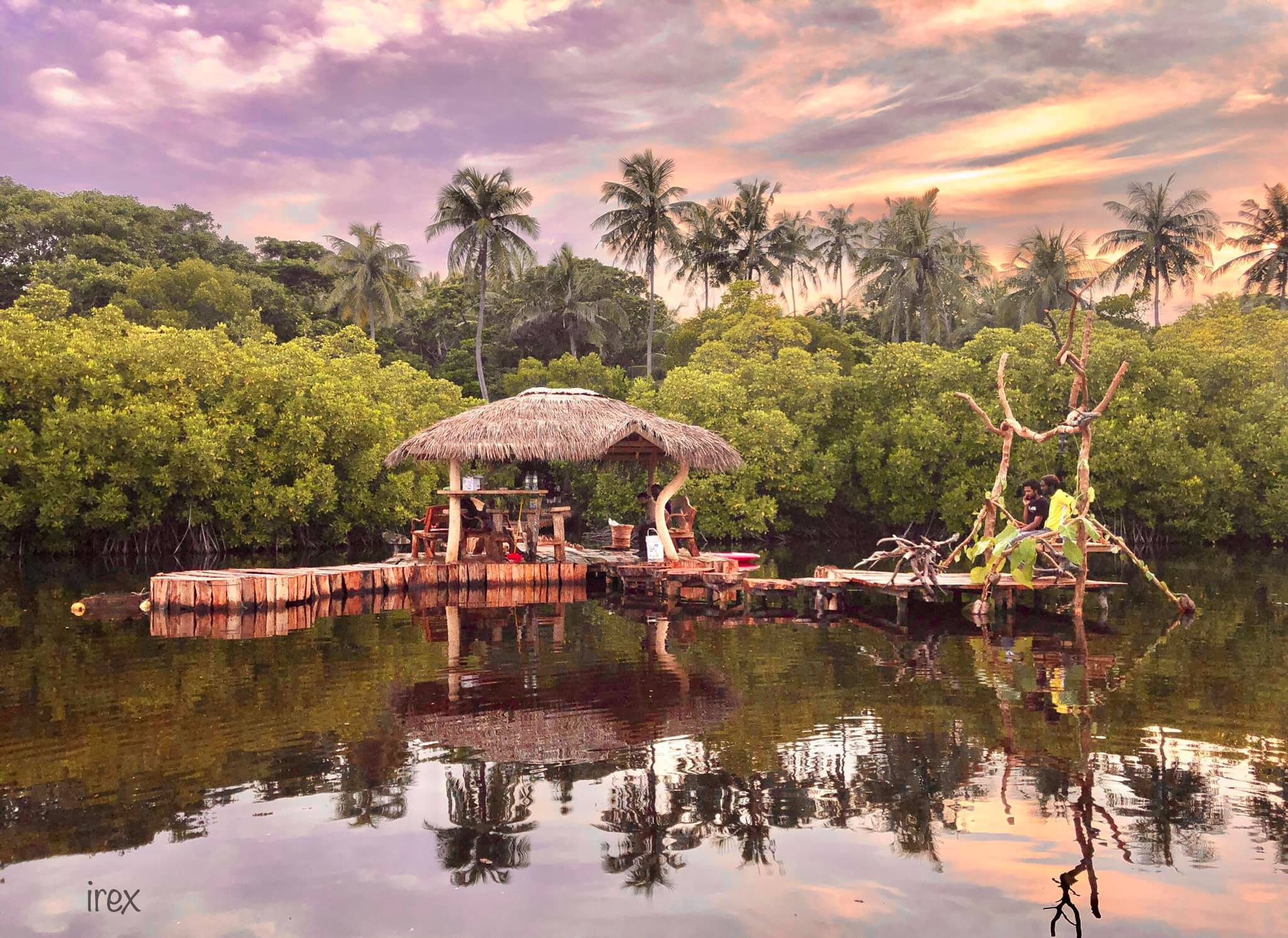
Kendhikulhudhoo is a 247-hectare island which is located east of Noonu Atoll’s Henbadhoo. The island is filled with palm trees. Its natural and environmental attributes are especially unique with rich flora and fauna within its environment. One special feature of this island which best shows its natural beauty is its vast mangroves and wetlands, which is relatively larger than the average mangroves and wetlands found in the Maldives. In addition to its mangroves and wetlands, Kendhikulhudhoo has extremely healthy soil which contributes to its greenery in terms of growth of trees. Researches have identified this island’s species of living organisms and its environmental characteristics and unique areas. Because this island is inhabited, it is especially important to conserve its gentle and delicate ecosystem. Kendhikulhudhoo’s mangtove (kulhi) has environmentally unique features which adds to it overall natural aesthetic. The features of this area can be divided into 3 main categories. They are; the species of birds and other living organisms which can be found in this area, the notable plants and trees surrounding the area, and lastly, the parts where turtles use to nest. Two considerably large mangroves (kulhi) can be found on the east and north side of Kendhikulhudhoo. Some bird species which can be found in the wetland area are Cattle Egret (iruvaihudhu), Common Sand Piper (fin’dhana), Black Crowned Night Heron (raabondhi), Yellow Bittern (dhon’raabondhi), Grey Heron (maakana), and Greater Sand Plover (bondana). Seabirds also often come to rest on this island. Black-Naped Tern (kirudhooni) and White-Tailed Tropicbird (dhandifulhu dhooni) can be seen in particularly large numbers, visiting to rest. All these bird species are protected in the Maldives. Therefore, it is essential to conserve their home in order to successfully protect them as well. There are various unique and naturally significant trees in the mangrove area of this island which is worth mentioning. This island is the densest with trees out of all the islands in the atoll, giving it forest like features. In its mangrove area, large Small-Leaved Orange Mangrove (kandoo), Red Mangrove (ran’doo), and Yellow Mangrove( karamana) can be found. In addition, mangrove fruits (kuhlhavah), which people use as food, can be found in different parts of the island. (byengu) can also be found breeding in large numbers in the mangrove area. Aquaculture business is carried out in Kendhikulhudhoo’s mangrove area. Due to these activities, it is likely that living organisms of the mangrove can be negatively affected. This is an important mangrove that should be protected. The Kendhikulhudhoo beach is frequented by turtles as breeding grounds. In order to maintain the population of turtles, it is vital to conserve their nesting havens.
Rules
Please follow these rules during your visit.
-
Research and Mining for Oil, Gas and Minerals is not allowed in this area
-
Dumping trash/littering is not allowed in this area.
-
Land reclamation and dredging is not allowed within this area.
-
Removing or taking rocks, sand, corals, and coral rubble is not allowed in this area.
-
Pollutant discharge and/ or outfalls
-
Aquaculture and mariculture
-
Taking eggs or damaging nests
-
Introducing any species of living things
-
Feeding any species of birds or marine life
-
Lighting up the area at night
-
Disruption to natural behaviour of species in the area due to noise pollution
Bookings and fees
- Getting there
- Directions (opens in a new tab)
Mountain Bike Rental
This service can be booked for riding mountain bikes within designated pathways.
Battery Bicycle Rental
This service can be booked for riding battery bicycles within designated pathways.
-
Everyone
- Mountain Bike Rental
- MVR 20 Per person, per slot
- Battery Bicycle Rental
- MVR 30 Per person, per slot
Each fee is for one time slot. Your visitor type (Individual - Maldivian, Resort, Guesthouse, Liveaboard, Expats, Individual - Tourist) decides which fee applies; if you are unsure which one you are, contact the office before booking.
Permits
-
Apply on their portal: Research Permit (opens in a new tab)
Research Permit
Issued by Environmental Regulatory Authority (ERA)
To conduct research in a Protected Area. A research permit is required. The research permit is given by Environmental Regulatory Authority (ERA). Please use the provided link to submit a research permit application to ERA.
Facts
- Status
- Designated
- Total Area
- 494.00 ha
- WDPA ID
- 555697564
- Protected Area Category
- Category 7 - Protected Area with Sustainable Use
- Date of Protection
- 16 June 2019
Gallery
Resources
Open in the Knowledge RepositoryIulaan
-
Boduthiladhunmathi 11 sites_en
Laws, Regulations and Policies PDF English No Dhivehi yet
-
Re-Zonation
-
N. Kendhikulhudhoo Kulhi Rezonation Iulaan 23Jan2020
Technical Guidelines and Standards 2020 PDF Dhivehi
Contact
Book a visit
Choose a service and a time slot, then sign in to send your booking request.